

Earthquake Safety and Emergency Response Bond 2026
The City and County of San Francisco is proposing a $535 million Earthquake Safety and Emergency Response (ESER) Bond for the June 2026 ballot to fund seismic upgrades and much-needed improvements to aging first responder facilities and capital infrastructure.
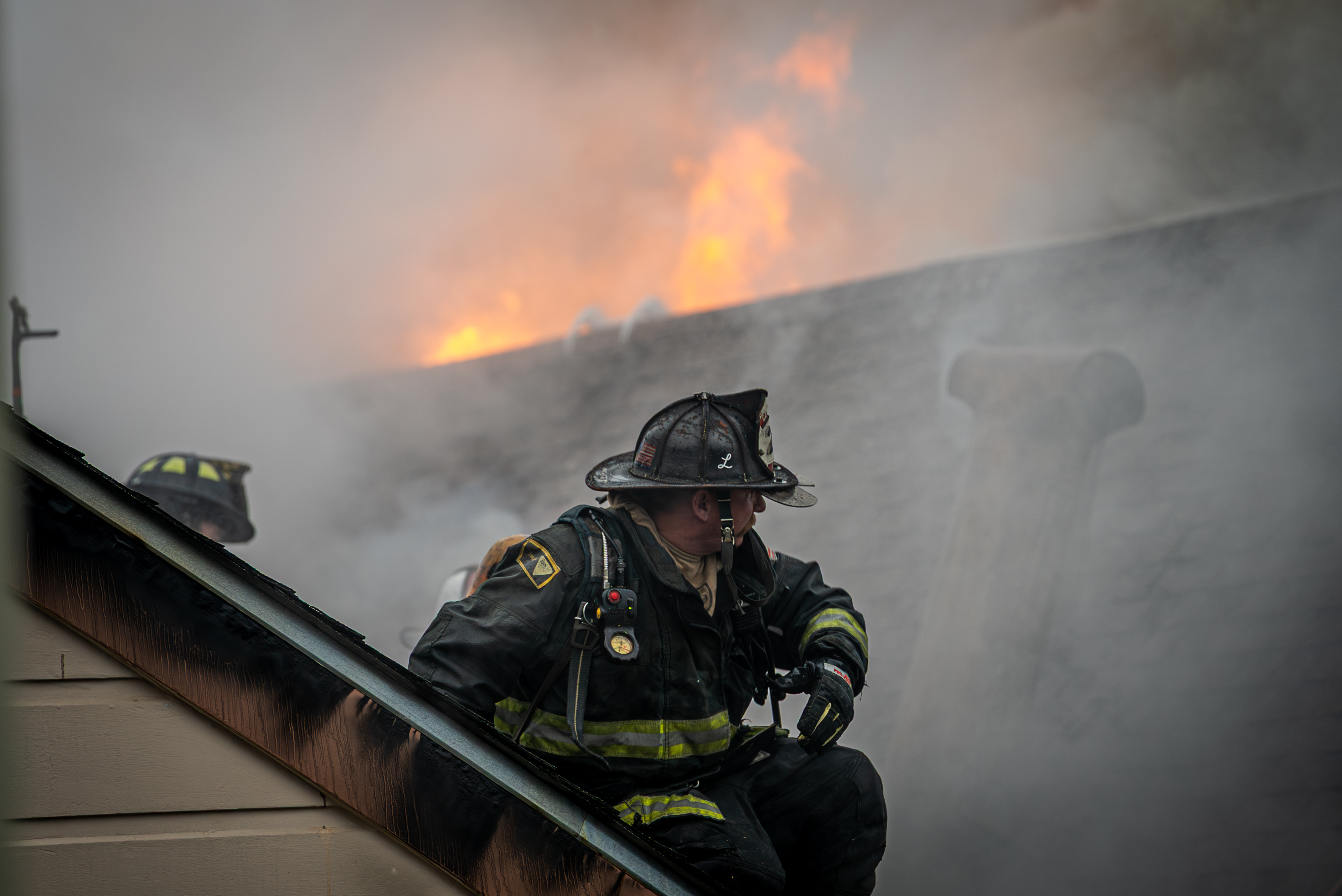
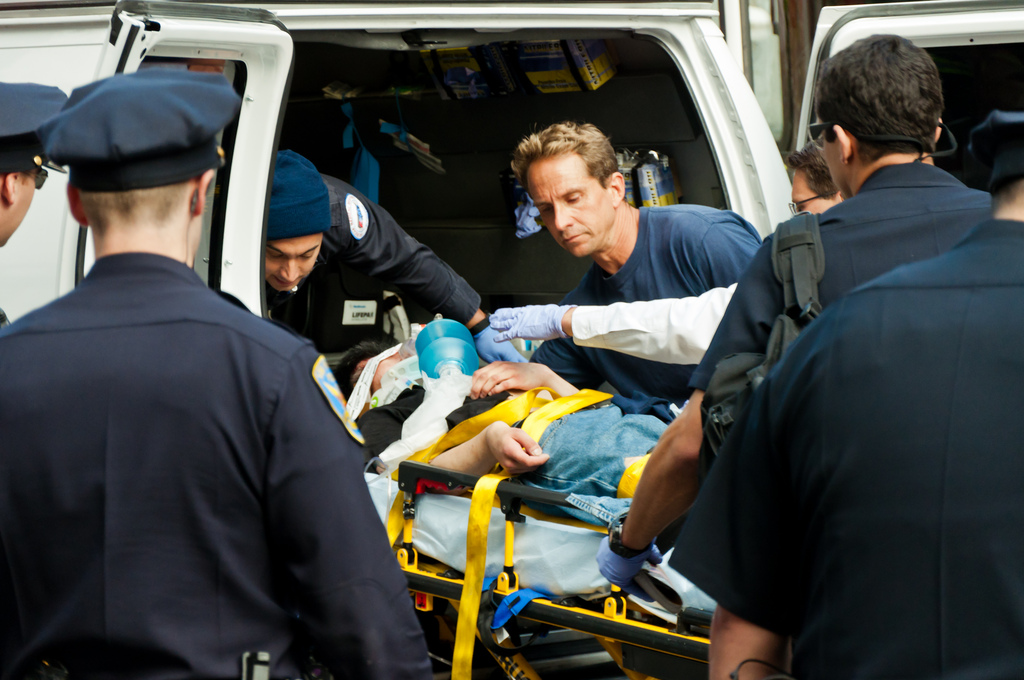
These improvements will increase San Francisco’s capacity to quickly respond to a major earthquake or other disaster and recover from the aftermath. The ability to respond quickly in an emergency will have a direct impact on how well San Francisco recovers after the next big earthquake.
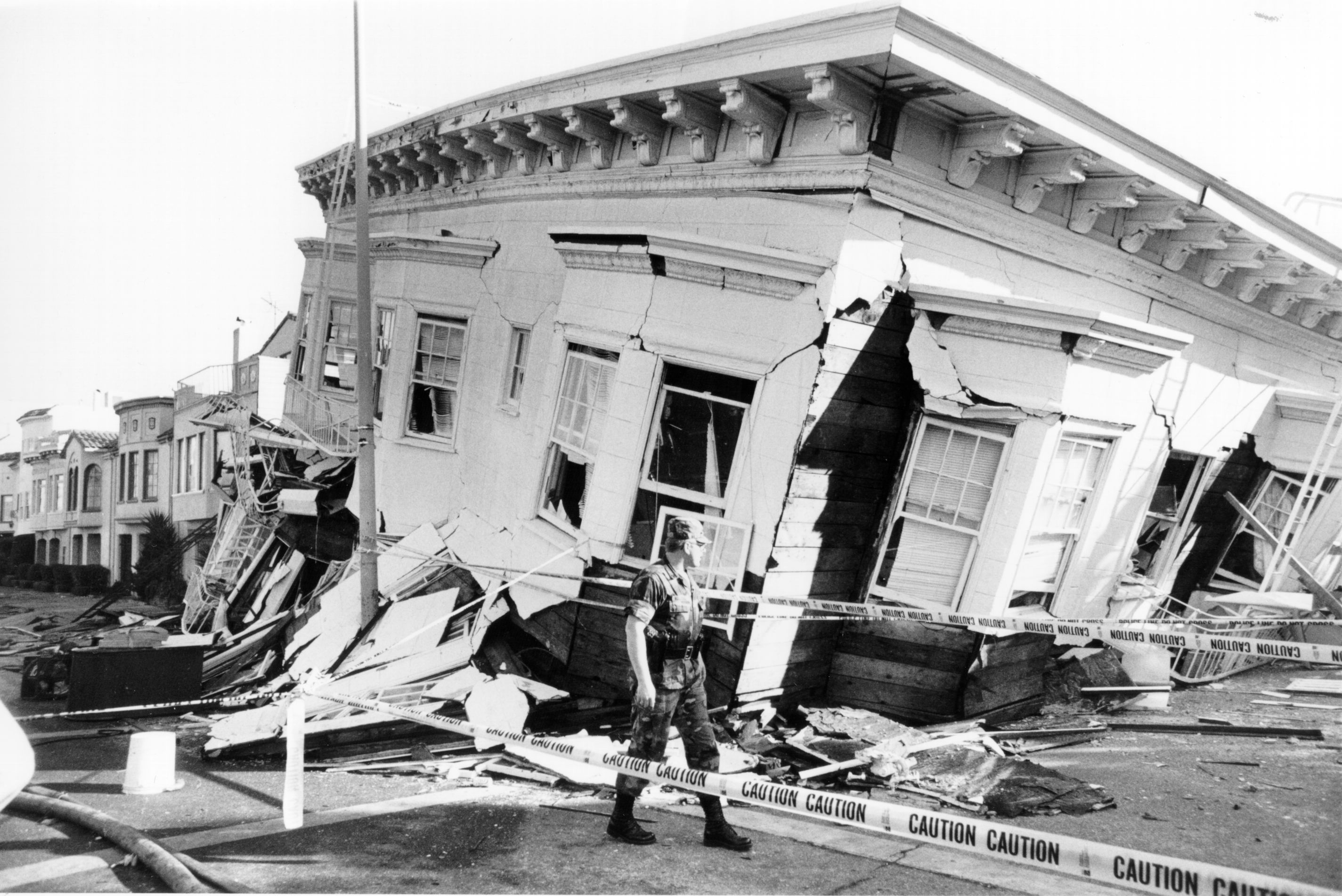
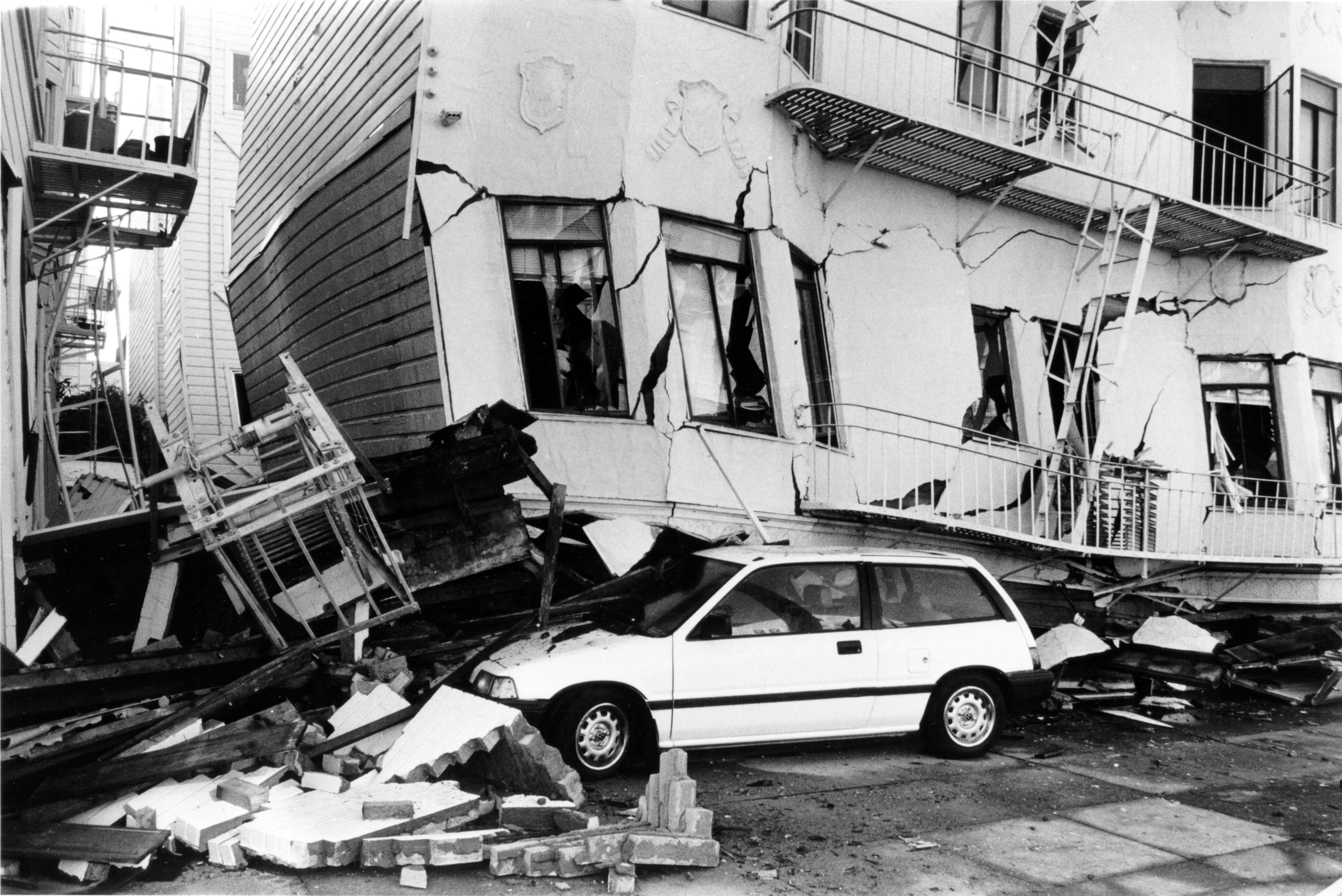
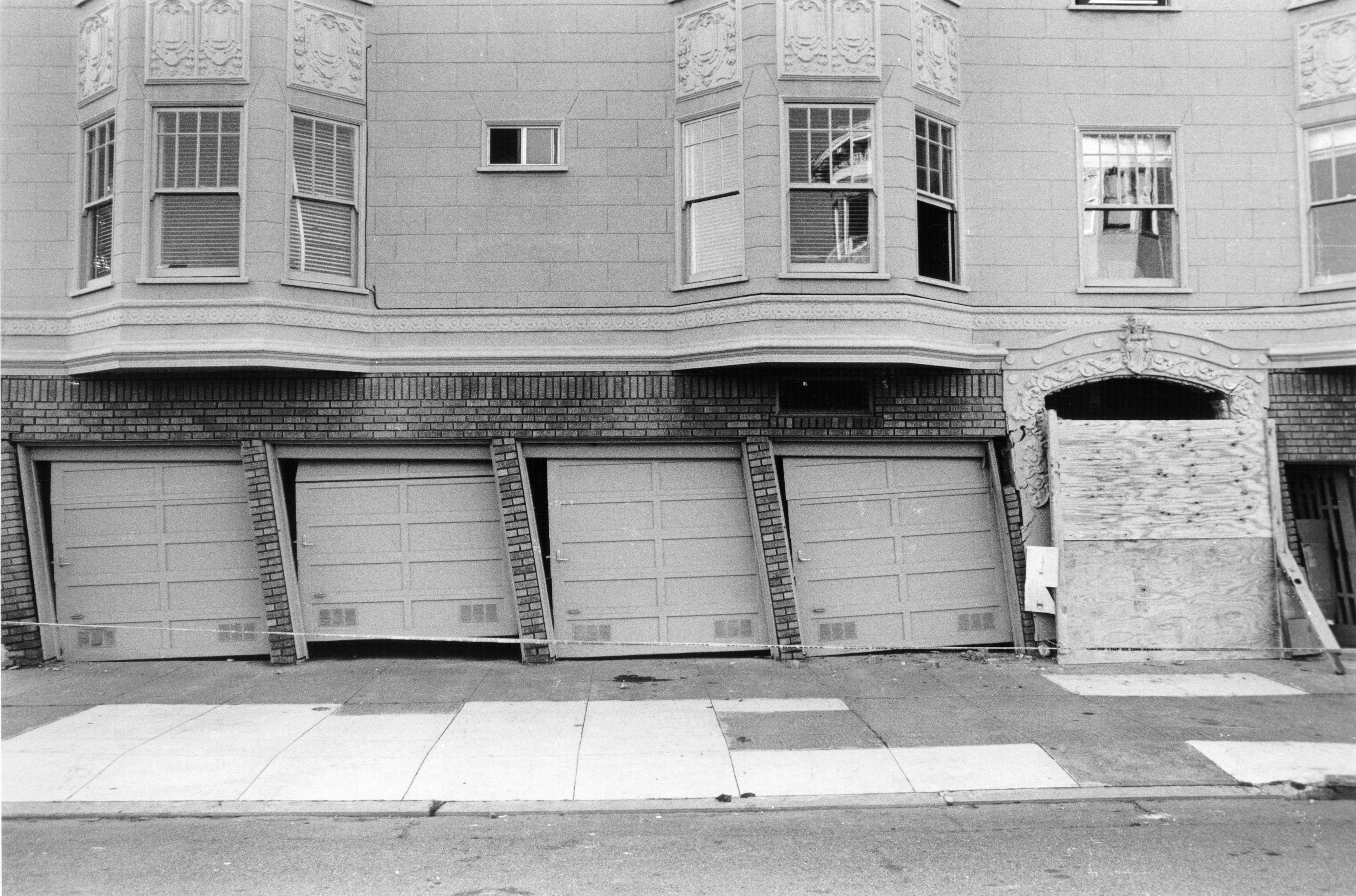
San Francisco, located close to two major fault lines, has experienced several large earthquakes. Much of the damage and loss of life from these disasters was due to the collapse of buildings and the resulting fires.
ESER 2026 will provide funding for seismic upgrades and essential improvements to vitally important infrastructure to make sure that San Francisco responds promptly and has the capacity to launch an effective, safe recovery that protects the City’s residents, businesses and assets.
The City’s time-tested policy is to issue new bonds only after previously issued bonds are paid off. This strategy aims to keep property tax rates unchanged.
ESER 2026 will be subject to rigorous accountability, fiscal responsibility and transparency standards. This includes public review by the Citizens’ General Obligation Bond Oversight Committee to ensure the integrity of bond fund expenditures. Additional layers of mandated oversight will come from the Capital Planning Committee, the Controller’s Office and the Board of Supervisors.
The ESER 2026 bond consists of the following program components
| Bond Component | Budget |
|---|---|
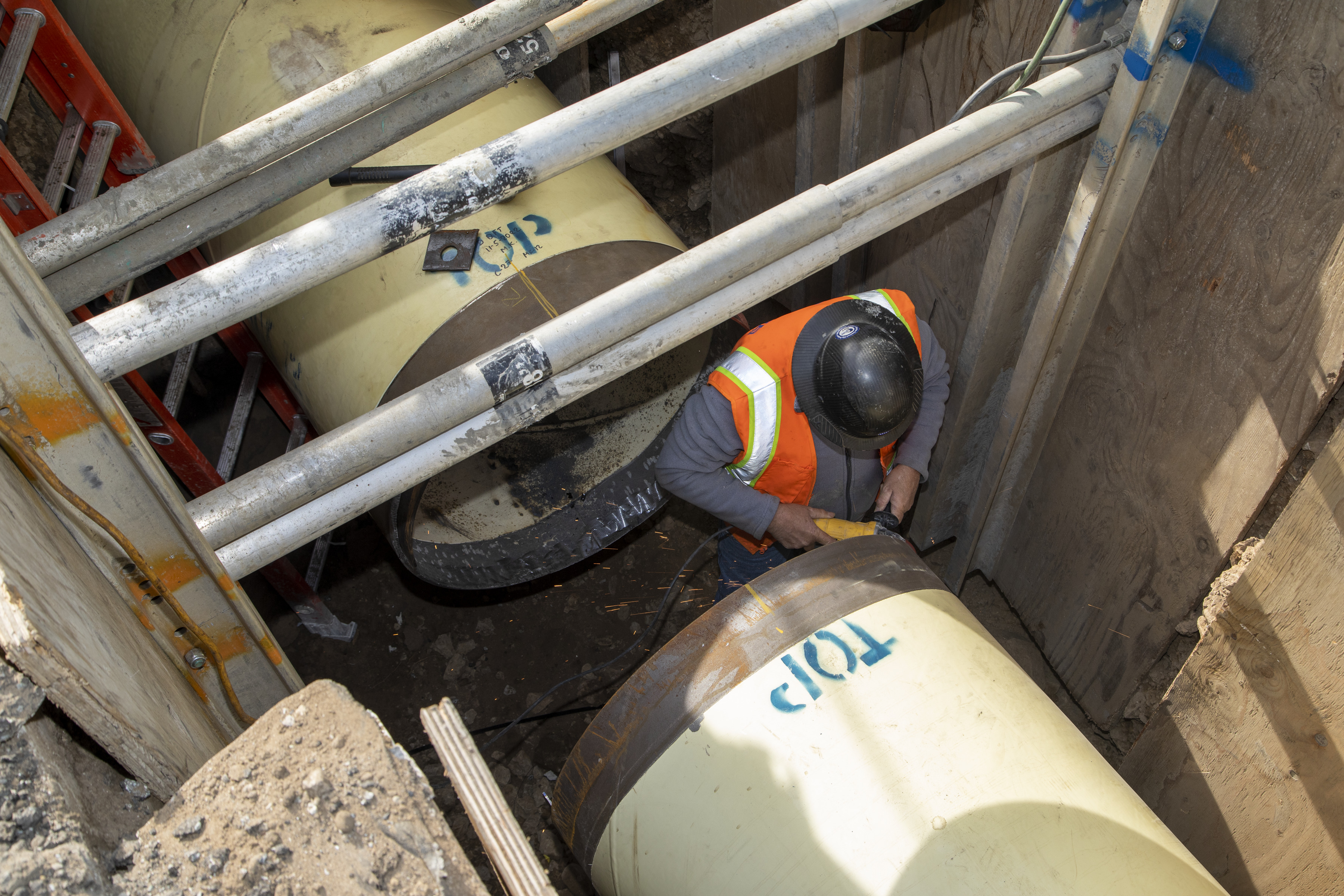
| Renovate, expand and seismically upgrade the City's aging Emergency Firefighting Water System | $130 million |
| Repair and replace deteriorating and seismically unsafe neighborhood fire stations | $100 million |
| Make seismic, safety and operational improvements to district police stations and support facilities | $72 million |
| Critical building repairs and improvements at public safety facilities | $33 million |
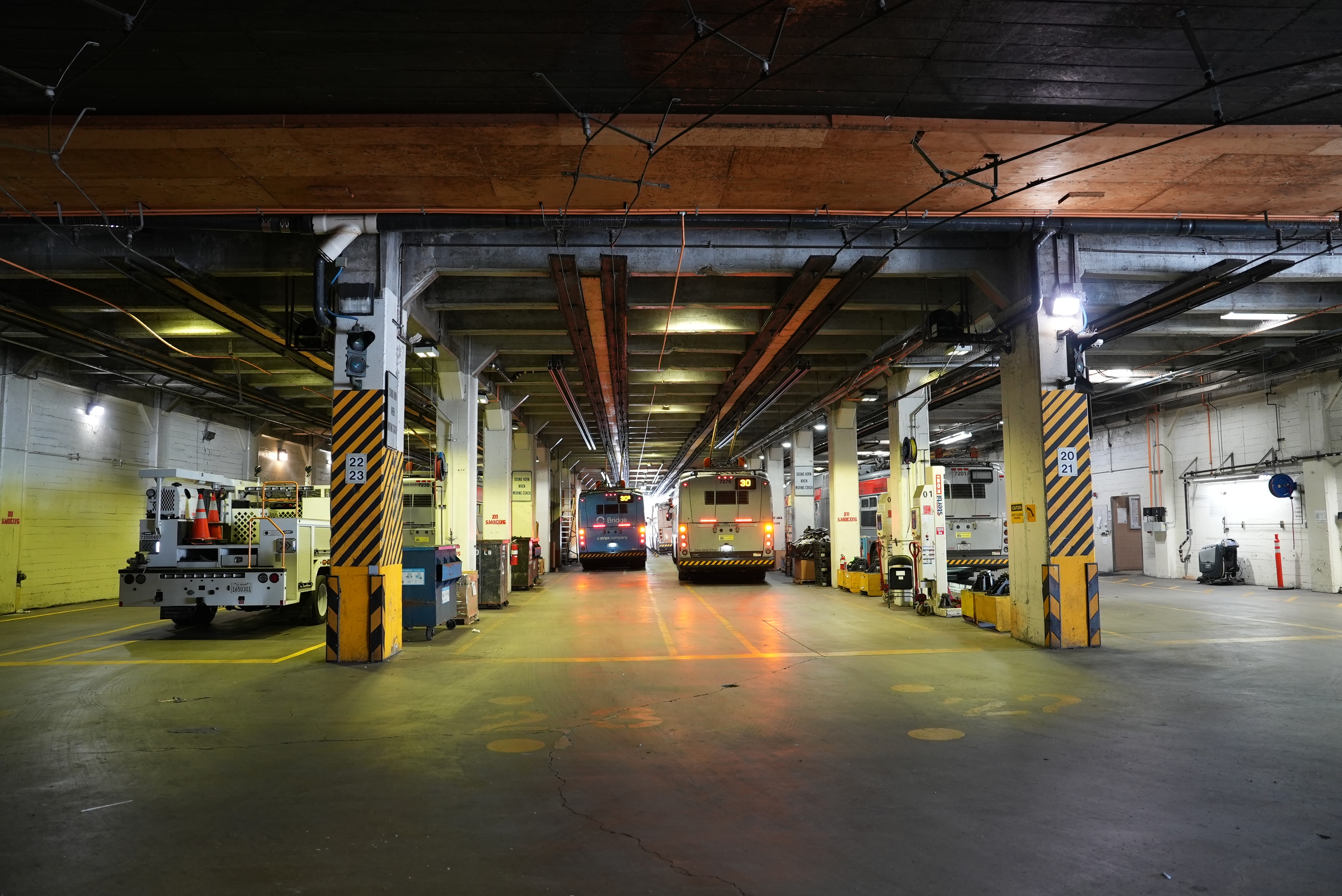
| Replace a 110-year-old, seismically unsafe bus yard with a modern bus maintenance and storage facility to help ensure Muni has buses available to provide transit service after a disaster | $200 million |
| Total | $535 million |
A closer look at the proposed bond's components
- $130 million to expand the City's Emergency Firefighting Water System (EFWS) into underserved areas on the west side that lack adequate firefighting water infrastructure and construct a new fireboat manifold and related infrastructure at Fort Mason that will enable the City to pump water out of the Bay during a firefighting emergency.
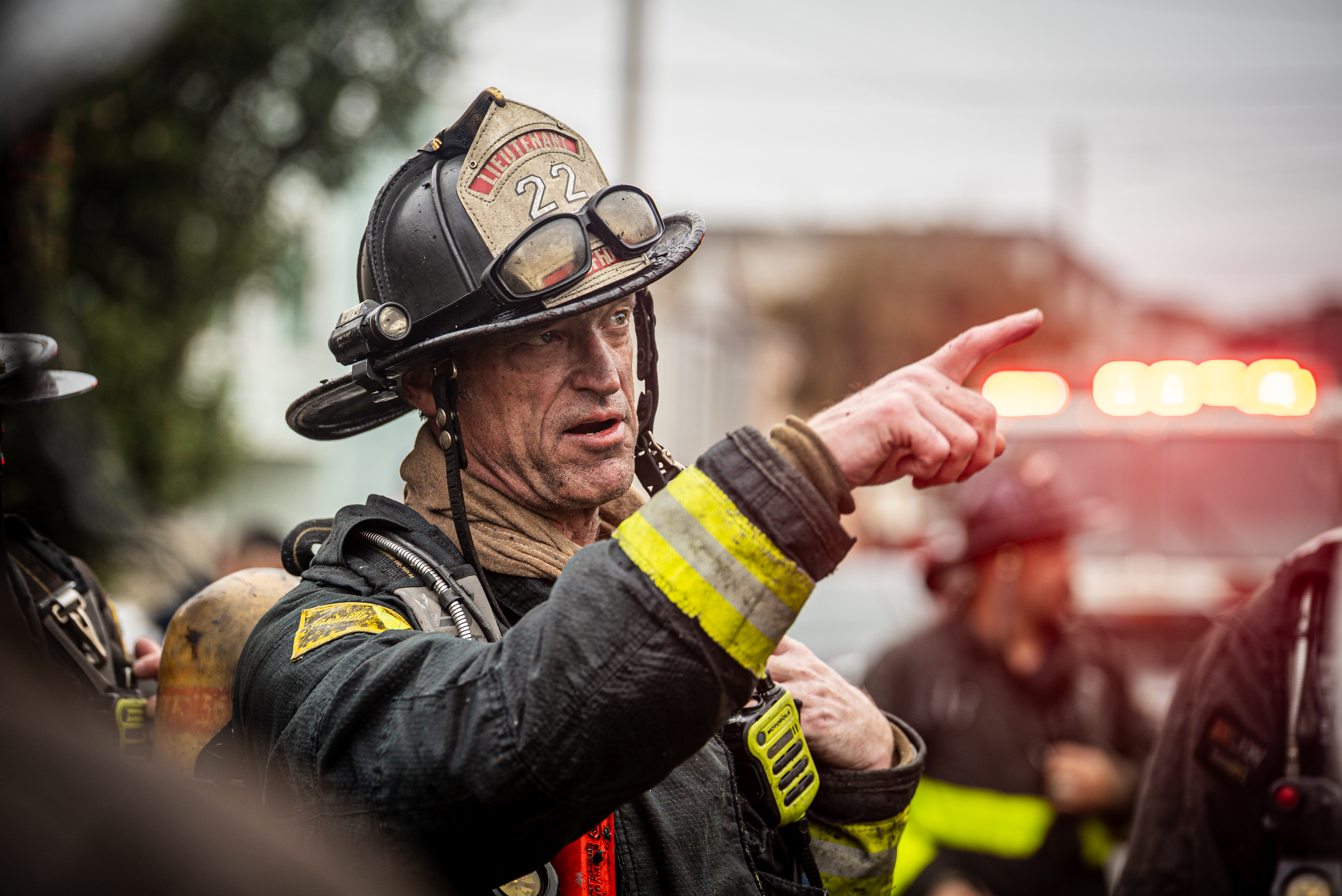
- $100 million for the San Francisco Fire Department to renovate or replace high-priority fire stations that are vulnerable to closure or collapse in the event of an earthquake. Potential projects include Fire Stations 7, 2, 8, 40 and 6.
- $72 million for the San Francisco Police Department to retrofit and improve police stations, which are also vulnerable to closure or collapse in the event of an earthquake, and to enable the Property Control Division to relocate from the Hall of Justice to a seismically safe location. Potential projects include the Taraval Police Station and 1828 Egbert Street.
- $200 million for Muni's Potrero Bus Yard to retrofit/replace the seismically unsafe facility to protect employees and allow for the on-going use and repair of the City’s electric buses after an earthquake. Potrero Yard is an important part of the City’s emergency response capabilities, enabling evacuation services immediately following an earthquake and transit services for residents and businesses to jumpstart a speedy recovery.
- $33 million for vital state-of-good-repair projects at public safety facilities to address critical needs such as emergency generators, HVAC systems, electrical systems, roofs, etc.
Act now for a safer tomorrow
The $535 million Earthquake Safety and Emergency Response Bond (ESER 2026) builds on the vital capital improvements that began under the voter-approved 2010, 2014 and 2020 ESER bonds – all under a unified program set up to provide funding for the delivery of critical infrastructure upgrades in a phased, tactical approach.
In keeping with previous ESER upgrades, ESER 2026 focuses on improving the structural resilience of essential facilities so first responders can deploy to emergencies safely and effectively without interruption. These repairs and improvements ensure that infrastructure assets supporting first responders can remain safe and ready during and after a major earthquake or other disaster.
It is imperative to continue these repairs and upgrades under the coordinated and strategic ESER Program to strengthen earthquake resiliency and disaster preparedness in San Francisco. Responding quickly in an emergency is critical to reducing the number of injuries and deaths and jumpstarting the City’s recovery. A speedy recovery will enable San Francisco residents to keep working and businesses to keep operating in the crucial weeks and months after a major earthquake or other disaster.
Earthquakes continue to be a particularly capricious force of nature. They can upend thousands of lives at a moment’s notice and trigger a cascade of devastating disasters, from surging tsunamis to sprawling infernos.
San Francisco is located in earthquake country. A major quake can occur at any time. There is a 72% likelihood that a 6.7 or greater magnitude earthquake will strike the Bay Area in the next 30 years, according to the U.S. Geological Survey.
The aftermath of both the 1906 and 1989 earthquakes taught San Francisco lessons that have been taken to heart. Most of us are familiar with the Great Earthquake and Fire of 1906. The majority of the damage came not from the shaking, but from the fires that erupted subsequently. Approximately 80% of San Francisco’s total loss was attributed to the fires. The result was devastating: approximately 3,000 deaths and the destruction of nearly 28,000 buildings. The National Fire Protection Association estimates the fire losses amounted to $18 billion in today’s dollars.
As a result, less than a decade after the 1906 calamity, San Francisco built a high-pressure dedicated firefighting water system to fight multiple-alarm fires.
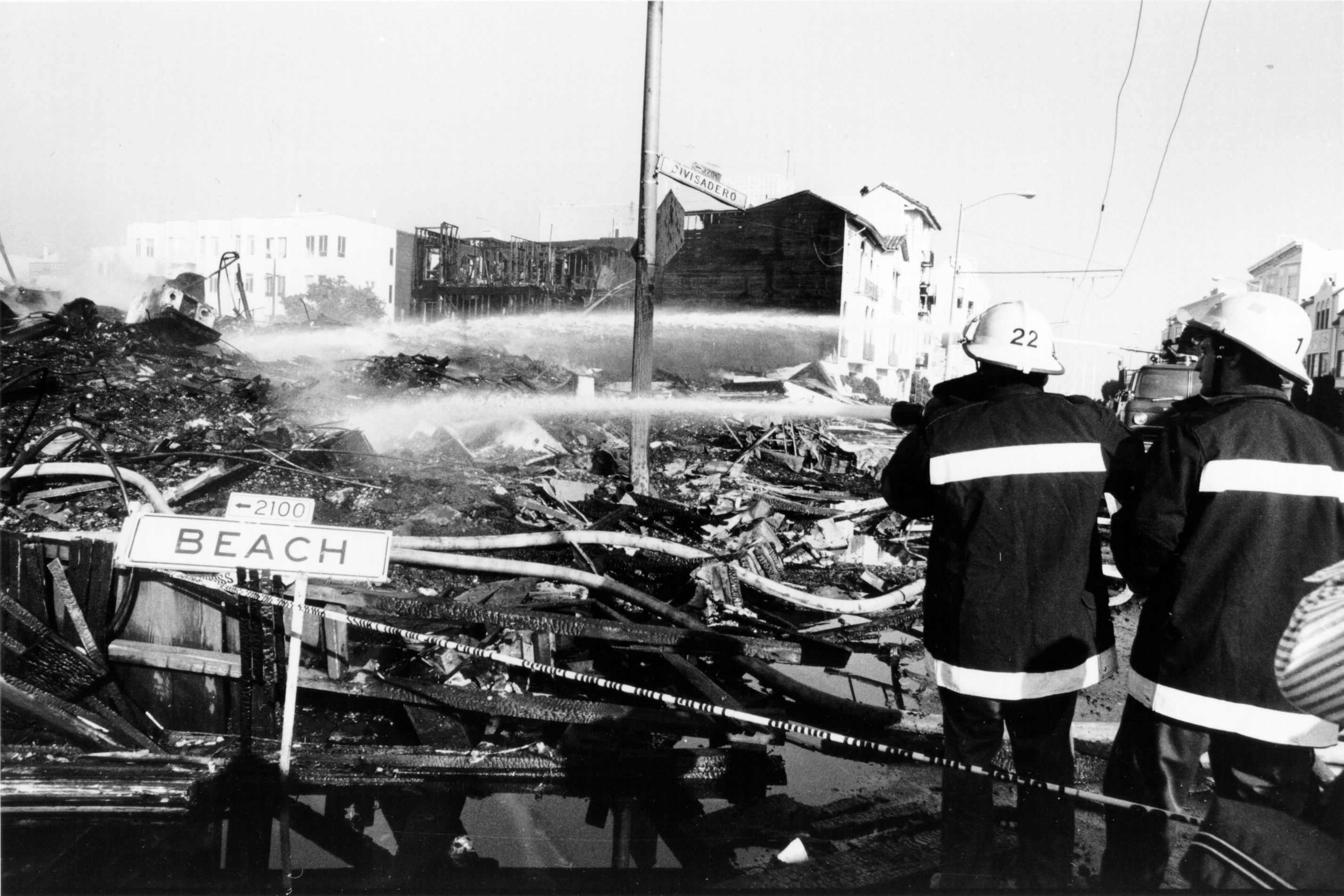
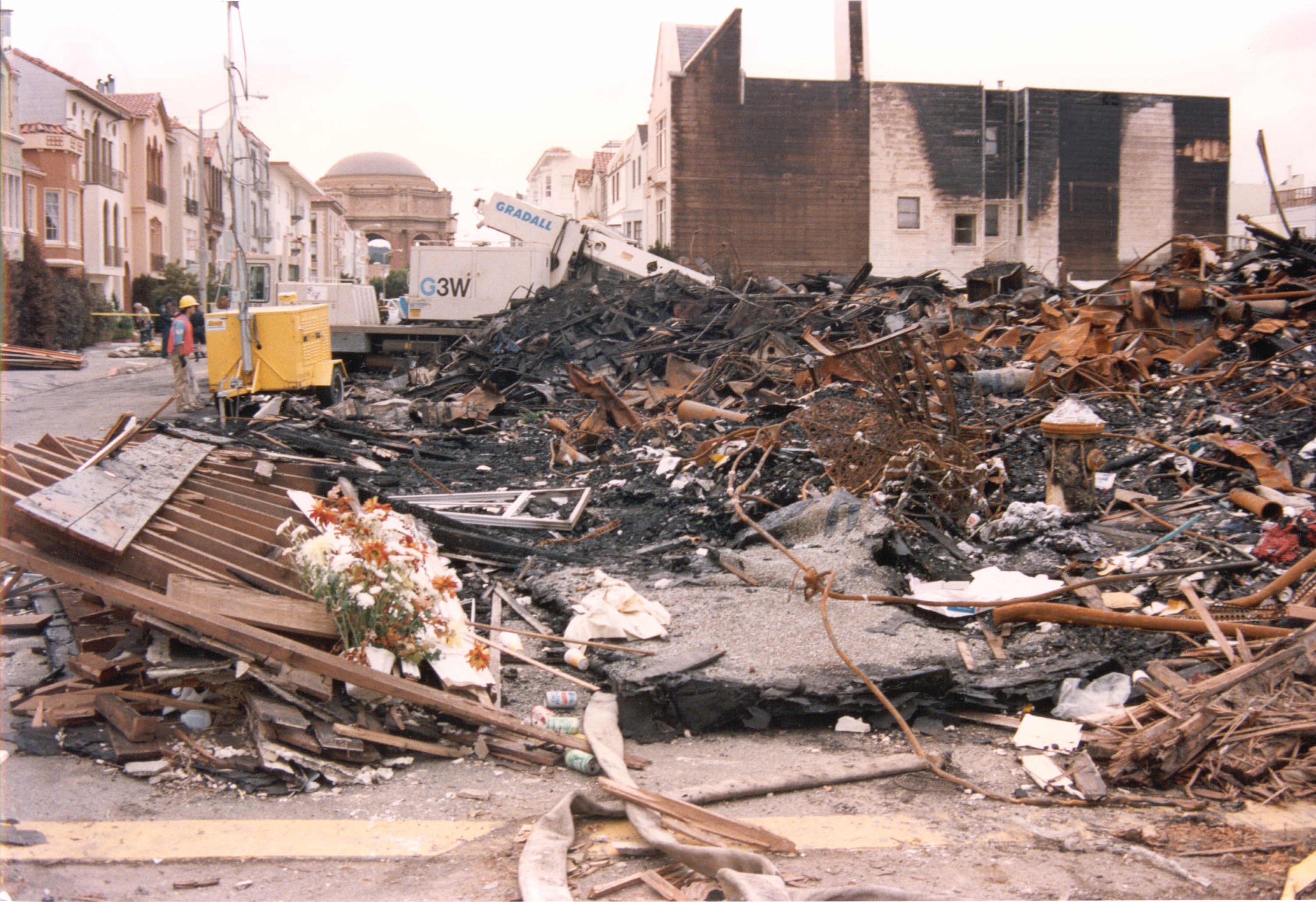
More recently, the 1989 Loma Prieta Earthquake, with an epicenter 60 miles south of the City and measuring 6.9 on the Richter scale, triggered major fires in the Marina District. It is expected that a large earthquake closer to San Francisco will have even more devastating consequences.
The potential monetary losses following a major earthquake are staggering. A 7.2 magnitude earthquake on the San Andreas fault would cause an estimated $44 billion of damage to buildings. Under this scenario, fire damage would account for an estimated 15% of total damage costs. This number could increase if the earthquake occurred under dry and windy weather conditions. A catastrophe of this magnitude will severely damage the Bay Area’s economy and San Francisco’s capacity to recover. All we need to do is look at the devastation from the fires that ripped through Southern
California in early 2025 to see the cataclysmic results – dozens of deaths, thousands of structures destroyed and tens of billions in damages and economic losses.
A recent spate of smaller earthquakes in the Bay Area is a constant reminder that the threat of a more serious temblor is looming. We cannot forecast or predict them, but we know with certainty that we need to be prepared for a worst-case scenario. That is why the most precious commodity in the effort to make San Francisco more earthquake-
resilient is time.
Acting today increases our chances for a safer tomorrow.
Response time matters
- A guiding principle of our City’s long history of investing in first responders is committing to the quickest possible response. Responding rapidly in an emergency reduces injuries, deaths and property damage.
- Response times have a direct impact on how well San Francisco recovers after the next big earthquake, accelerating the City’s economic recovery and preserving the jobs of San Francisco residents in the weeks and months following a major earthquake.
- Without these essential improvements, we put the lives of our first responders at risk, as well as the lives of the San Franciscans who depend on them in times of greatest need.
By improving backup systems, making seismic upgrades and relocating critical first responder facilities to new or rehabilitated buildings that meet today’s safety codes, San Francisco can better protect its residents, homes and businesses in the event of an earthquake or other emergency. We know it’s not a matter of if, but a matter of when, the next devastating earthquake strikes – and this bond ensures that San Francisco will be better prepared to meet the moment and be ready when the time comes.
Why this bond proposal now?
The Ten-Year Capital Plan (the Plan) is the City’s commitment to building a more resilient and vibrant future for the residents, workers and visitors of San Francisco. The Plan prioritizes critical capital projects to protect the public and places a strong emphasis on fiscal accountability and transparency.
The Plan provides for a balanced approach across a 10-year timespan to incrementally address the substantial citywide needs for continued investment in capital facilities and infrastructure. The City is committed to strategically investing in public safety facilities to ensure the effective delivery of fire and police services and improve disaster response capabilities. The previous three ESER bonds were approved by San Francisco voters in 2010, 2014 and 2020 with strong support. The 2026 ESER bond is the important next phase to build on the progress to protect San Francisco.
All bond program components in the $535 million 2026 ESER bond proposal are included in the current Ten-Year Capital Plan. Projects within the program components will be identified and evaluated using criteria that prioritize enhancements to public safety. All projects will be subject to a California Environmental Quality Act (CEQA) review.
How will this bond affect property tax rates?
San Francisco’s policy is to issue new bonds after previously issued bonds are retired or the tax base grows, as specified in the City’s Ten-Year Capital Plan. Property taxes levied for general obligation bonds will be maintained at or below the Fiscal Year 2006 rate as a result of this bond. Bonds are key to improving, expanding and maintaining our city’s infrastructure and have funded the construction of many public assets over the years.
Cost savings
Timing is critical. Every year that we delay needed improvements to our public safety facilities, the cost increases – especially considering external factors, such as the impact of tariffs. This sound investment is using tax dollars wisely for upgrades to essential infrastructure that we must make sooner or later. By acting now, we can improve safety and
save local taxpayer dollars.
Benefits
- Reduce injuries, deaths and property damage by providing first responders with the infrastructure they need to respond to emergencies and protect our communities.
- Create more than 2,000 direct and in-direct construction-related jobs in San Francisco to boost our economy and put San Franciscans to work. This jobs estimate is based on the REMI Policy Insight model used by the Controller’s Office of Economic Analysis. A job is defined as one job of full-time work over a year-long period.
What is the ESER bond program?
Earthquake Safety and Emergency Response (ESER) is San Francisco's bond program to strategically address critical public safety needs in the City. The program identifies seismic improvements and upgrades to City-owned facilities that are needed to help safeguard San Francisco. Learn more here.